

Neurobiology
Neural Architecture and Systemic Adaptation in Brain Health
Neurobiology • Structural Biology • Neuropsychopharmacology • Neuroimmunology • Neurophysiology • Sleep Research
At Bar-Ilan University’s Faculty of Life Sciences, we connect molecular mechanisms to systemic behavior. Our research explores how the brain computes information, adapts to stress, and maintains cellular health to survive a demanding world.
Cognitive Neurobiology: The Architecture of Motivation
Why does our self-control entirely evaporate the moment we are stressed, exhausted, or running on empty?
Our research looks past behavioral observations to investigate the neural mechanisms that govern how internal physiological states—like hunger, thirst, and sex drive—are encoded as continuous variables. These internal signals dictate the timing, intensity, and duration of goal-directed behaviors, mapping the complex "gray zones" that shape decision-making. Unlocking this framework is critical to decoding clinical conditions where needs and actions become dangerously uncoupled, such as drug addiction and eating disorders.
Structural Biology: Macromolecular Signaling
How does a single cell capture a passing chemical cue and instantly know how to grow, move, or fight for survival?
Life at every level is driven by a deep structural choreography where cell-surface receptors translate transient chemical cues into immediate cell-fate decisions. We investigate the precise mechanisms of ligand-induced activation in these molecular machines, focusing on receptor tyrosine kinases (RTKs) and their transmembrane signaling cascades. Using X-ray crystallography and single-particle cryo-Electron Microscopy, we resolve these macromolecular assemblies in motion, providing structural insights that address fundamental questions in cell signaling, neurodegeneration, and oncogenesis.
Neuroimmunology: The Systemic Dialogue of Cognition
How does an immune response outside the skull completely alter the way we think, remember, and age?
The brain does not operate in isolation; it is locked in a continuous bidirectional dialogue with the immune system that actively modulates cognition, aging, and neurodegeneration. We explore how immune activity regulates memory structures and shapes vulnerability to conditions like Alzheimer’s disease and Down syndrome, highlighting biological sex as a critical modifier of this defense network. A major avenue of our work investigates the neurodevelopmental footprint of pregnancy, tracking how gestation permanently alter maternal neural circuits and long-term cognitive trajectories.
Neuropsychopharmacology: Circuit Plasticity in Trauma
Why do the heavy shadows of addiction, depression, and trauma persist so stubbornly in the mind?
When maladaptive stress and reward memories hijack behavior, specific molecular shifts rewrite the brain's internal chemistry. Our research targets the neurochemical and molecular remodeling of central neurotransmitter systems under chronic stress and addiction. Using translational animal models, we map how reward and stress circuits adapt to biogenic amines and neuropeptides. By deciphering these altered states, we aim to identify key biomarkers for PTSD and discover novel, fast-acting therapeutic candidates for major depression.
Neurophysiology: Cellular Computation and Biophysics
How does a dense web of living tissue calculate thousands of chaotic inputs and turn them into a single, coherent thought?
To truly understand the mind, we must crack the computational rules and synaptic integration of individual cells, discovering how biophysical properties allow single neurons to transform chaotic inputs into coherent neural codes. We investigate the computational rules and synaptic integration of individual neurons, asking how their intrinsic biophysical properties shape the broader neural code. By combining whole-cell electrophysiology in brain slices with computational modeling, we simulate complex cortical neurons, tracking dendritic excitability and voltage-gated channel dynamics to bridge experiment and quantitative theory.
Molecular Sleep Research: The Cellular Price of Wakefulness
Why do humans and all animals spend a third of their lives in the vulnerable, quiet state of sleep?
A prolonged offline state is evolutionarily indispensable for neuronal survival, proving that sleep is a highly active period required for cellular counter-adaptation rather than passive rest. Using a transparent zebrafish model for real-time brain imaging, we discovered that sleep triggers a dramatic surge in chromosome dynamics, driving essential DNA repair and nuclear maintenance in neurons. We track this conserved mechanism from cnidarians to mammals, exploring how its disruption drives epilepsy and neurodevelopmental disorders like Fragile X Syndrome, while developing targeted pharmacological and hyperbaric interventions to safeguard long-term brain health.
Researchers
-

Prof. Appelbaum Lior
972-3-7384536 (office); 972-3-7384538 (lab); 972-3-7384537 (student room) -

Prof. Emeritus Brodie Chaya
972-3-5318266 -

Prof. Korngreen Alon
972-3-5318224 -
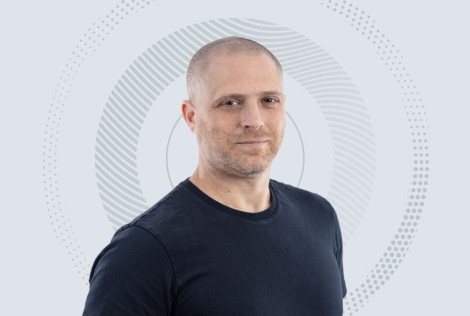
Prof. Okun Eitan
972-3-7384671 (office); 972-3-7384670 (lab) -
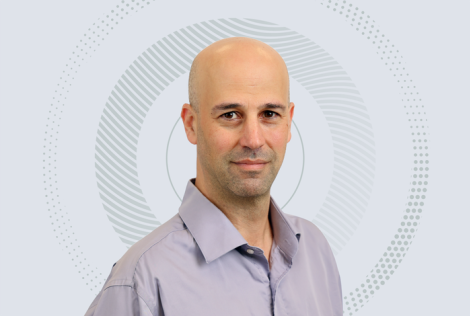
Prof. Opatowsky Yarden
972-3-5318330 -

Prof. Shohat-Ophir Galit
972-3-7384208 (office); 972-3-7384209 (lab) -
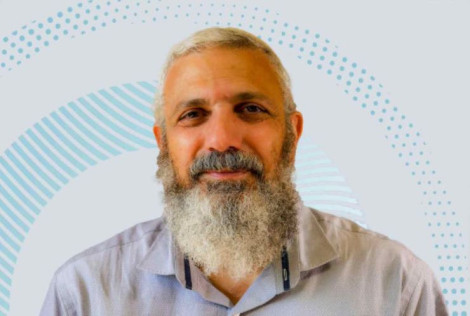
Prof. Yadid Gal
972-3-5318123