


Cellular and Developmental Biology
| Researcher | Research Focus |
|---|---|
| Prof. Cohen Haim |
|
| Dr. Dvela-Levitt Moran | The lab studies protein trafficking within the cell.
|
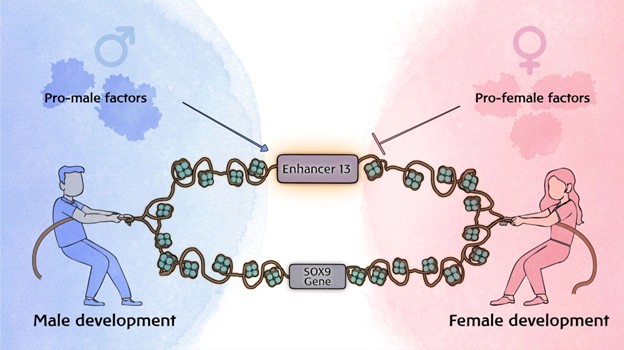
| Prof. Gonen Nitzan | The main research interest of our lab is to understand, at the molecular level, how sex is determined during embryonic development, i.e., how does an embryo develop into either a male or a female. |
| Prof. Hendel Ayal |
|
| Prof. Henis-Korenblit Sivan |
|
| Prof. Juven-Gershon Tamar |
|
| Prof. Koren Itay |
|
| Prof. Shav-Tal Yaron |
|
| Prof. Tzur Amit |
|
| Dr. Urbach Achia |
|
| Dr. Zalckvar Einat |
|
| Prof. Emeritus Breitbart Haim |
|
| Prof. Emeritus Don Jeremy (Rami) |
|
| Dr. Emeritus Motro Benny |
|
Prof. Nitzan Gonen
Developmental Biology, Sex Determination, and Fertility
How does the embryo decide to become male or female? One early decision can shape an entire organism.
Research focus: The lab studies genetic and molecular mechanisms that control sex determination and fertility in mammals. Research examines how key genes and regulatory elements function during embryonic development and how disruptions lead to disorders of sexual development and infertility. The lab also develops innovative cellular models (including artificial testis models) to study sperm formation and sex reversal.
Highlighted takeaway: Sex determination and fertility lie at the heart of human development and reproductive health, bridging basic biology and clinical medicine.
Methods: CRISPR · Embryonic mouse & human stem cells · Developmental genetics · Advanced sequencing · Advanced microscopy · Organoids
Hobbies: Reading books, spending time with my family
Prof. Ayal Hendel
CRISPR-Based Gene Editing and Gene Therapy
Can we fix a genetic disease at its source, the gene, instead of treating symptoms?
Research focus: The lab develops CRISPR-based gene therapy approaches in stem cells, focusing on severe blood and immune-system genetic diseases. Research aims to precisely correct mutations in a patient’s own cells to restore function and rebuild a healthy immune system. The goal is to translate gene editing from an experimental tool into durable, clinically viable solutions.
Highlighted takeaway: Gene therapy can enable one-time cures for diseases once considered incurable, redefining modern medicine.
Methods: CRISPR · Precise genome editing · Hematopoietic stem cells · Medical genetics · Computational biology · Cellular models
Hobbies: Biking 🚲
Prof. Sivan Henis-Korenblit
Biology of Aging and Protein Folding
Why do age-related diseases appear late in life? Because cellular quality control loses precision.
Research focus: The lab explores how aging biology connects to protein folding and neurodegenerative disease. Using genetics and model organisms, the research maps molecular pathways that regulate aging rate and long-term protein quality. A key insight: aging and age-related disease are intertwined, protein-quality failures can trigger disorders like Alzheimer’s.
Highlighted takeaway: Molecular understanding of aging can enable healthier aging and generate future therapies for age-related disease.
Methods: Genetics · Genomics · Molecular biology · Advanced microscopy · Biological models of aging· Model Organisms · Cell Biology
Hobbies: Drawing and spending time with my family and friends
Prof. Tammy Juven-Gershon
Transcriptional Control and Gene Expression
How does a cell “know” which gene to activate, and when? Gene expression is like a sound mixer - volume, timing and context matter.
Research focus: Each cell contains thousands of genes, but only a small fraction are active at any given moment. Our lab studies how transcription begins and how this step is tuned to control whole gene networks during development. A major focus is the core promoter: a short DNA region where tiny changes can reshape gene activity across the cell, sometimes across the whole organism.
Highlighted takeaway: Tiny DNA changes, even a few base pairs in a core promoter motif, can alter development and organ function. Using Drosophila, we uncover how embryonic gene networks are regulated, with relevance to human biology, biotechnology, and medicine.
Methods: Molecular biology · Biochemistry · Cell biology · Drosophila genetics and development · Bioinformatics
Hobbies: Catchball, Hiking
Prof. Itay Koren
Protein Degradation and Human Disease
How do cells decide which proteins to keep and which to destroy? Mistakes in this decision can cause disease.
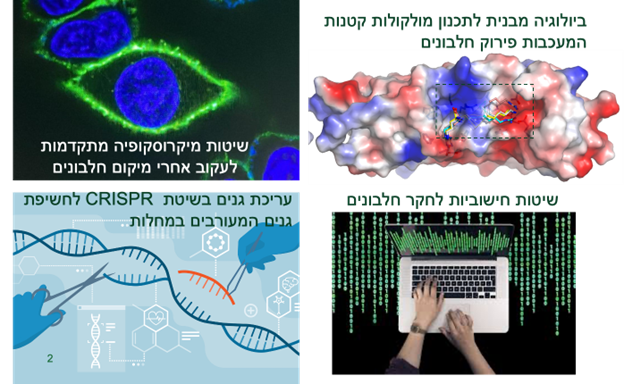
Research focus: Proteins perform nearly all cellular functions, from building cellular structures to catalyzing chemical reactions, making their precise regulation essential for life. Proteins that are damaged, mislocalized, or no longer needed must be removed in a timely manner. The Koren Lab studies how cells recognize such faulty proteins and how failures in these pathways contribute to diseases, including cancer and neurodegeneration.
Highlighted takeaway:Protein degradation is essential for life- understanding how cells control protein turnover reveals fundamental biology and opens new paths for treating disease.
Methods: CRISPR screens · Synthetic biology · Cell biology · Biochemistry · High-throughput sequencing · Computational biology
Hobbies: Sports
Prof. Yaron Shav-Tal
RNA Biology and Cellular Dynamics
What happens to RNA from birth to death? Much more than ‘message delivery.’
Research focus: RNA is dynamic: it moves, changes, responds to the environment, and shapes cellular behavior. The lab tracks RNA life cycles, synthesis, processing, transport, export, storage, and degradation, often in real-time inside living cells. By imaging single RNA molecules, the research links RNA dynamics to stress responses, cancer, and disease.
Highlighted takeaway: Disrupted RNA dynamics are implicated in many diseases, from cancer to neurodegeneration, understanding RNA adds a deeper layer to cell biology.
Methods: Advanced fluorescence microscopy · Live-cell imaging · Biochemistry · Cell biology
Hobbies: Reading and hiking
Dr. Einat Zalckvar
Peroxisome Biology and Human Health
How can a tiny organelle drive major disease? When peroxisomes fail, consequences can be wide-ranging.
Research focus: Peroxisomes support critical cellular processes; dysfunction can contribute to rare genetic disorders and common diseases. The lab studies how peroxisome biology connects to rare diseases, obesity, and male fertility, and where therapeutic intervention may be possible.The work bridges molecular/cellular research with collaborations across medicine, biotech, and patient organizations.
Highlighted takeaway: Understanding the cell from the inside is the foundation of precise, innovative medicine, from organelles to clinical impact.
Methods: · Biochemistry · Cell culture · Advanced microscopy · Patient-derived cells · Drug screening · Mouse models
Hobbies: Visiting second-hand bookstores, watching quality films, food-tasting tours in markets, science
Dr. Moran Dvela-Levitt
Protein Trafficking and Cellular Health
Every cell in our body relies on a trafficking network that makes sure all proteins safely arrive at their cellular destination. When this routing fails, protein “traffic jams” are generated inside cells and contribute to diseases such as Alzheimer’s and cancer.
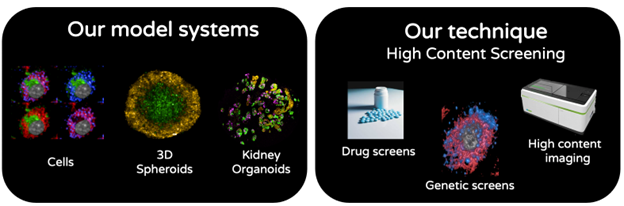
Research focus: The lab studies the extensive protein trafficking network that transports billions of proteins from where they are made to where they’re needed. Research addresses how this system is regulated, how cells recognize and remove defective proteins, how trafficking pathways go wrong in disease, and how these failures might be fixed to restore healthy cellular function.
Highlighted takeaway: Understanding protein trafficking is essential because its malfunction underlies many devastating diseases and offers targets for new therapeutic strategies.
Methods: High-content imaging · CRISPR manipulations · Pharmacological perturbations · Drug screens · Mammalian cells · 3D cultures · Organoids
Hobbies: Dancing salsa, Playing board games, Artisan cake crafting
Prof. Amit Tzur
Cell Cycle and Cell Growth
Why do cells decide to divide or not? Cells coordinate growth and division through decision‑making circuits that balance size, proliferation and molecular timing.
Research focus: The lab investigates the physiological and molecular dynamics of proliferating mammalian cells, with a focus on the cell cycle, cell division regulation and how cell size homeostasis is maintained. Research combines cell biology, molecular biology and biochemistry with proteomics, genomics, advanced imaging and cytometry to uncover how decision‑making circuits control when and how cells grow and divide.
Highlighted takeaway: Understanding how cells regulate growth and division reveals fundamental principles of development and disease, including cancer.
Methods: Cell biology · Molecular biology · Biochemistry · Proteomics · Genomics · Advanced imaging · Cytometry · Cell cycle analysis
Hobbies: Nature, Music and Burekas