


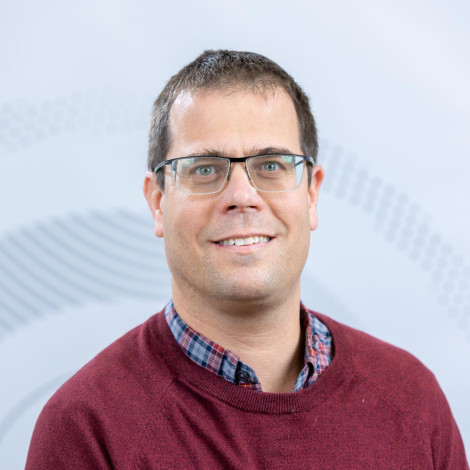
Dr. Achia Urbach
Human pluripotent stem cells (hPSCs); kidney organoids; brain organoids; genetic developmental disorders; CAKUT; organoid-based disease modeling and novel therapeutic approaches
CV
Research
Stem Cells and Developmental Disorders Laboratory
Human pluripotent stem cells (hPSCs) are a unique class of cells capable of differentiating in vitro into nearly any cell type found in the developing embryo or adult body. Their broad differentiation potential, combined with their capacity for extensive self-renewal, makes hPSCs an invaluable resource for regenerative medicine and an essential tool for studying embryonic development and modeling human diseases.
Our lab leverages the unique properties of hPSCs to model genetic and developmental disorders affecting the kidney and brain. We generate kidney and brain organoids from patient-derived and genetically engineered hPSC lines to functionally validate newly identified pathogenic and candidate disease-causing genetic variants. Through collaborations with clinicians and medical geneticists in Israel and internationally, we translate clinical genetic findings into experimentally tractable human models.
We combine isogenic disease models, organoid differentiation, molecular and cellular phenotyping, advanced imaging, transcriptomic analyses, and transgenic mouse models to determine how disease-associated variants alter developmental programs, cell identity, tissue architecture, and signaling pathways. Current work investigates congenital anomalies of the kidney and urinary tract (CAKUT), cystic kidney diseases, nuclear-envelope gene disorders, and genetic conditions with neurological manifestations. We also develop RNA-based and other targeted therapeutic approaches, while improving the maturation and physiological relevance of kidney organoids. Our work connects clinical genetics with human developmental biology through organoid-based disease modeling, providing mechanistic insights and a platform for developing precision therapies.
Courses
- 80103 - Cell Biology
- 80312 - Gene and Cell Therapy
- 80496 - Biotechnology Seminar
- 80904 - Seminar
Publications
Selected Publications
1. Eiges, R., Urbach, A., Malcov, M., Frumkin, T., Schwartz, T., Eden, A., Amit, A., Benvenisty, N., & Ben-Yosef, D. (2007). Developmental study of fragile X syndrome using human embryonic stem cells derived from preimplantation genetically diagnosed embryos. Cell Stem Cell, 1(5), 568–577.
Uses human embryonic stem cells carrying the fragile X mutation to investigate when and how the FMR1 gene becomes silenced during development, providing a model for studying the early molecular events underlying fragile X syndrome.
2. Urbach, A., Bar-Nur, O., Daley, G. Q., & Benvenisty, N. (2010). Differential modeling of fragile X syndrome by human embryonic stem cells and induced-pluripotent stem cells. Cell Stem Cell, 6(5), 407–411.
Demonstrates that human embryonic stem cells and induced pluripotent stem cells differ in their ability to reproduce the molecular characteristics of fragile X syndrome, revealing important limitations of cellular reprogramming for modeling certain genetic disorders.
3. Urbach, A., Yermalovich, A., Spina, C. S., Zhu, H., Perez-Atayde, A. R., Shukrun, R., Charlton, J., Sebire, N., Mifsud, W., Dekel, B., Pritchard-Jones, K., & Daley, G. Q. (2014). Lin28 sustains early renal progenitors and induces Wilms tumor. Genes & Development, 28(9), 971–982.
Identifies LIN28 as a regulator of early kidney progenitor cells and demonstrates how its persistent expression can disrupt normal kidney development and promote Wilms tumor formation, establishing a mechanistic link between developmental regulation and childhood kidney cancer.
4. Komarovsky, N., Armon, L., & Urbach, A. (2019). Lin28 over-expression delays normal embryonic lung development. The FASEB Journal, 33(11), 12008–12018.
Shows that elevated LIN28 expression delays normal embryonic lung development, extending our understanding of how this developmental regulator influences organ formation beyond the kidney.
5. Gross-Carmel, I., Armon, L., Levy, E., Waldman Ben-Asher, H., Yaron, O., & Urbach, A. (2020). Human pluripotent stem cell fate regulation by SMARCB1. Stem Cell Reports, 15(5), 1037–1046.
Investigates the role of the chromatin-remodeling protein SMARCB1 in regulating human pluripotent stem cell identity and differentiation, contributing to our understanding of the molecular mechanisms that determine developmental cell fate.
6. Futorian, A., Armon, L., Waldman Ben-Asher, H., Shoval, I., Hazut, I., Munitz, A., & Urbach, A. (2024). Nephron-specific Lin28A overexpression triggers severe inflammatory response and kidney damage. International Journal of Biological Sciences, 20(10), 4044–4054.
Demonstrates that excessive LIN28A expression in kidney nephrons can trigger substantial inflammation and tissue damage, identifying a link between abnormal developmental gene regulation and kidney injury.
7. Shlomovitz, O., Ben-Haim, Y., Eisenstein, N., Armon, L., Atias-Varon, D., Ben-Ruby, D., Urbach, A., & Vivante, A. (2025). Elucidating mechanisms of hypomorphic WDR19-related kidney failure. Kidney International Reports, 10(10), 3578–3591.
Investigates how partially functional variants of WDR19, a gene involved in ciliary function, contribute to kidney disease, advancing the mechanistic understanding of inherited kidney disorders and the effects of specific genetic variants.
8. Ben-Haim, Y., Armon, L., Peled, D., Fichtman, B., Elkaim Kadouch, S. A., Shoval, I., Farah, N., Mandel, Y., Schlotawa, L., Spiegel, R., Harel, A., & Urbach, A. (2026). LAP1 loss-of-function mutations drive premature neuronal differentiation and microcephaly in human brain organoids. Stem Cell Reports.
Uses human brain organoids to investigate how loss-of-function mutations affecting LAP1 disrupt neuronal development, linking premature neuronal differentiation to mechanisms underlying microcephaly.
9. Folkman Genet, D., Armon, L., Waldman Ben-Asher, H., Shoval, I., Weber, R. G., & Urbach, A. (2026). Modeling the effect of a DACT1 variant identified in patients with CAKUT on kidney development using hPSC-derived kidney organoids. iScience.
Uses kidney organoids derived from human pluripotent stem cells to investigate how a patient-associated DACT1 variant affects kidney development, demonstrating the potential of organoid-based models for studying the molecular basis of congenital anomalies of the kidney and urinary tract (CAKUT).
Last Updated Date : 26/10/2026