


Life Sciences - Microbiology Track (.M.Sc)
What will you study, and why should you study at Bar-Ilan?
The study of microorganisms (including bacteria, viruses, fungi, and parasites) focuses on the structure, function, and properties of microscopic life forms, as well as on understanding their roles and impact on the environment and on human health. Insight into the influence of microorganisms on their surroundings is essential for investigating biological and ecological processes, and for examining how natural systems operate, respond to environmental changes, and cope with natural and human-induced pressures.
The thesis-track Master’s program in Life Sciences - Microbiology track centers on a supervised research project conducted under the guidance of a senior researcher from the Faculty of Life Sciences. Throughout the program, students work closely with faculty researchers, are exposed to current scientific advances, and address complex scientific challenges using advanced technologies and innovative research methodologies.
The program integrates theoretical knowledge with hands-on research, enabling students to specialize in diverse areas while acquiring distinctive research skills. These competencies prepare graduates to lead scientific projects and to integrate successfully into the global research community.
During their studies, students gain advanced research knowledge in key areas, including medical microbiology (host–pathogen interactions and chemotherapeutics), general and molecular virology, social behaviors in bacteria, and microbial responses to stress conditions.
Career Opportunities
Graduates of the thesis-track in Microbiology tack in the master's program pursue careers across a wide range of professional settings:
Industry: Pharmaceutical companies, biotechnology firms, start-ups, and organizations in the food and cosmetics industries.
Healthcare System: Medical laboratories in hospitals, clinical trial units, and medical device and diagnostic development.
Public and Academic Sectors: Government research institutes, academic institutions (including continuation to Ph.D. studies), and environmental organizations.
Program Structure
The duration of the thesis-track Master’s degree in Life Sciences -Microbiology track is two years, during which students complete their research project and write their thesis (excluding any prerequisite completion year, if required).
Studies begin in Semester A, and the research phase officially starts on October 1 each year.
The total program comprises 40 credit points, including:
- 24 credits in courses
- 16 credits for the research project (thesis)
The final grade is determined according to university regulations and is based on a weighted average of the research project grade (75%) and course grades (25%).
Program Courses
The course requirements include:
- 22 credits in Life Sciences courses
- 2 credits in two Master’s seminars
Students may also take up to 4 credits of research-relevant courses in other departments, subject to approval.
The research proposal is submitted at the end of the first year and constitutes a key stage in shaping the thesis project.
Changes in the research topic or supervisor may require additional courses, in accordance with faculty requirements.
Activities and Practical Experience
The program focuses on a supervised research project (Master’s thesis) under the guidance of a senior researcher. Students are exposed to cutting-edge research and tackle scientific challenges using advanced technologies and innovative methodologies, including:
Molecular Biology and Genetics: Genetic engineering and gene cloning, CRISPR-based genome editing, DNA and RNA sequencing (Next-Generation Sequencing), gene expression and silencing, and the identification of protein–protein interactions.
Advanced Microscopy and Imaging: Confocal and fluorescence microscopy, live-cell imaging, and optogenetics.
Separation Technologies and Cell Culture: Fluorescence-activated cell sorting (FACS) and spectral flow cytometry for cell separation and analysis.
Biochemistry and Analytical Methods: Protein analysis using Western blotting and mass spectrometry, ELISA, and immunocytochemical staining.
Bioinformatics and Computational Biology: Analysis of biological data using omics approaches and advanced computational modeling.
Admission Requirements
- Academic Average: A minimum average of 80 in a relevant Bachelor’s degree is required. Applicants with an average below 85 will be required to attend an interview with the admissions committee.
- Supervisor Identification: Admission is contingent upon identifying a potential supervisor and obtaining their formal approval prior to enrollment.
Contact Information
Want to learn more about the M.Sc. in Life Sciences - Microbiology Track?
- Associate Dean for Graduate Studies: Prof. Galit Shochat-Ofir
- Academic Advisor for Graduate Studies: Dr. Hila Alipantz
- Graduate Student Coordinator: Ms. Shani Hazan – Ls.Graduates@biu.ac.il
- Scholarships Officer: Ortal Zah
-
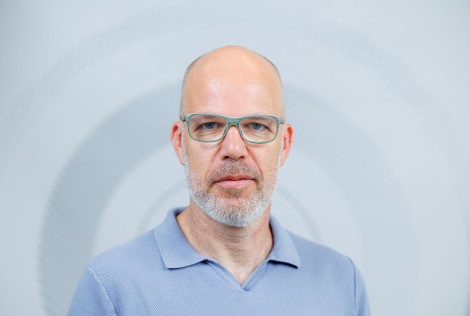
Prof. Banin Ehud
972-3-5317288 -
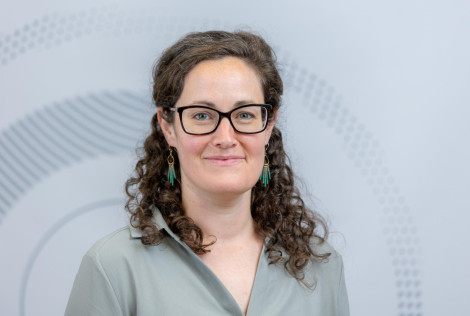
Dr. Kranzler Chana
03-7384583 -
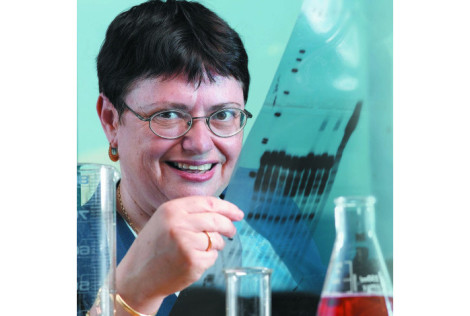
Prof. Michaeli Shulamit
972-3-5318068; 972-3-5317522 (lab) -

Dr. Pinto Yishay
972-3-5317317 -
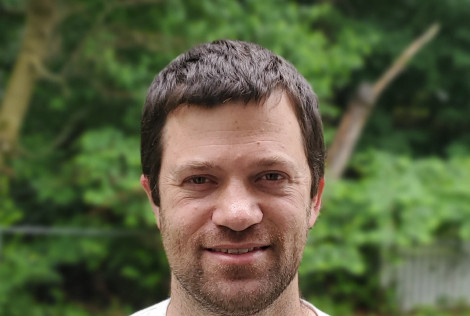
Dr. Roichman Asael
972-3-7384295 -
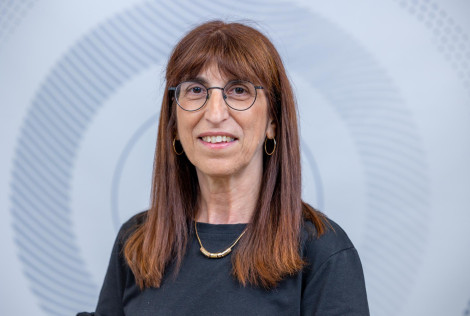
Prof. Sarid Ronit
972-3-5317853 -
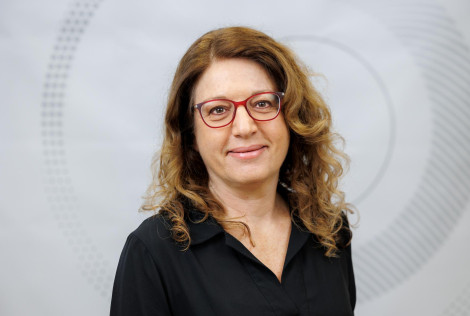
Prof. Schwarz Rakefet
972-3-5317648 (office); 972-3-5317790 (lab) -

Prof. Yissachar Nissan
972-3-5318633 (office); 972-3-5318389 (lab); 972-3-5317489 (student room)
Last Updated Date : 09/02/2026