

Life Sciences – Cell Biology Track (.M.Sc)

What will you study, and why should you study at Bar-Ilan?
A single cell functions as a complex and dynamic system in which thousands of biochemical and molecular processes occur simultaneously with remarkable precision. Modern research in cell biology no longer focuses solely on describing cellular structure; instead, it seeks to understand cellular mechanisms at high resolution and to develop the ability to modulate them. Central questions include how signals are transmitted within and between cells, how cellular communication networks become disrupted in disease, and how cellular processes can be directed for the treatment of cancer and other complex biological conditions.
Against this backdrop, the Cell Biology track at Bar-Ilan University offers a comprehensive thesis-track Master’s program in Life Sciences. The program is designed for outstanding Bachelor’s degree graduates who aspire to engage in cutting-edge biological and biomedical research, and who seek a deep understanding of the dynamic processes that take place both within the cell and in its interactions with the surrounding environment.
As part of the program, students are exposed to the study of cellular biochemical mechanisms and the analysis of intracellular processes, signal transduction pathways, and cellular communication systems. Training emphasizes the use of advanced research methodologies, including experimental phototherapy for cancer cells, real-time imaging of cellular processes, and state-of-the-art tools for investigating cellular function and regulatory mechanisms.
Career Opportunities
Graduates of the program are equipped with distinctive research skills that enable them to integrate into—and lead—projects across a wide range of professional arenas:
Biotechnology and Pharmaceuticals: Research and development roles in pharmaceutical companies, biotechnology firms, start-ups, as well as in the cosmetics and food industries.
Healthcare System: Medical laboratories in hospitals, clinical trial units, and the development of medical devices and diagnostic technologies.
Public and Academic Sectors: Continuation to Ph.D. studies, positions in government research institutes, the Ministry of Environmental Protection, and roles in teaching and scientific training.
Program Structure
The duration of the thesis-track Master’s degree in Life Sciences - Cell Biology track is two years, during which students complete their research project and thesis (excluding any prerequisite completion year, if required).
Studies begin in Semester A, and the research phase officially starts on October 1 each year.
The program comprises 40 credit points:
- 24 credits in courses
- 16 credits for the research project (thesis)
The final grade is determined according to university regulations, with 75% based on the research project (thesis) and 25% based on course grades.
Program Courses
Important Notes
Required Courses : In the first year of study, students must enroll in the following courses: Principles of Scientific Instrumentation and Data Analysis (80801) and Biostatistics and Introduction to Clinical Trials (80534).
Colloquium: Students are required to register annually for the departmental Colloquium (Faculty Seminar) (809000-01).
Students may take up to 4 credits of research-relevant courses in other departments, subject to approval.
Activities and Practical Experience
The program is centered on a supervised research project (Master’s thesis) conducted under the guidance of a senior researcher from one of the research groups in the Faculty of Life Sciences. Students work in active research laboratories, engage with cutting-edge studies, and address complex scientific questions using advanced technologies and innovative methodologies, including:
Cellular and Biochemical Mechanisms: Analysis of intracellular processes, communication networks, and signal transduction pathways.
Molecular Biology and Genetics: CRISPR-based genome editing, DNA and RNA sequencing, gene expression and silencing, and the identification of protein–protein interactions.
Advanced Microscopy and Imaging: Confocal and fluorescence microscopy, live-cell imaging, and optogenetic approaches.
Cell Culture and Living Models: Work with stem cells, established cell lines, animal models, and organ-on-a-chip systems.
Biochemical and Analytical Techniques: Western blotting, mass spectrometry, ELISA, and immunocytochemical staining.
Bioinformatics and Computational Biology: Analysis of omics data, computational modeling, and systems-level investigation of complex biological processes.
Admission Requirements
Academic Average: A minimum averave of 80 in a relevant Bachelor’s degree is required. Applicants with an average below 85 will be invited to an interview with the Admissions Committee.
Supervisor Identification: In parallel with the application process, applicants must contact a potential supervisor and confirm their availability. Applicants may refer to the list of supervisors published on the Faculty website.
Admission is contingent upon the supervisor’s formal approval submitted to the Graduate Studies Office .
Contact Information
Want to learn more about the M.Sc. in Life Sciences - Cell Biology Track?
- Associate Dean for Graduate Studies: Prof. Galit Shochat-Ofir
- Academic Advisor for Graduate Studies: Dr. Hila Alipantz
- Graduate Student Coordinator: Ms. Shani Hazan – Ls.Graduates@biu.ac.il
- Scholarships Officer: Ortal Zah
-

Prof. Emeritus Breitbart Haim
972-3-5318201 -
Prof. Cohen Haim
972-3-5318383 (office); 972-3-5317121 (lab) -
Prof. Emeritus Don Jeremy (Rami)
972-3-5318963 -
Dr. Dvela-Levitt Moran
972-3-7384122 (Office), 972-3-7384123 (Lab) -
Dr. Eyal Gal
972-3-7384031 -

Prof. Gonen Nitzan
03-5317246 -
Prof. Juven-Gershon Tamar
972-3-5318244 (office); 972-3-5317525 (lab) -
Prof. Koren Itay
+972-3-738-4211 -
Prof. Korenblit Sivan
972-3-5318961 (office); 972-3-7384592 (lab) -
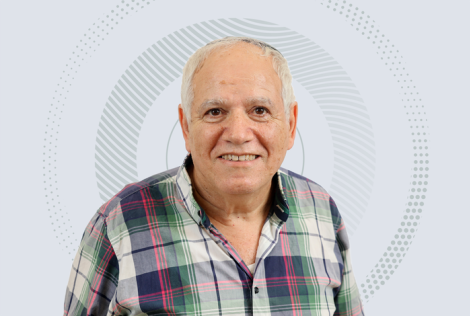
Prof. Emeritus Motro Benny
972-3-5318149 -

Prof. Shav-Tal Yaron
972-3-5318589 -

Prof. Tzur Amit
972-3-7384541 (office); 972-3-7384542 (lab) -
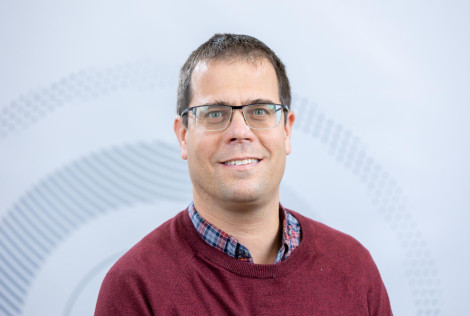
Dr. Urbach Achia
972-3-7384281 -
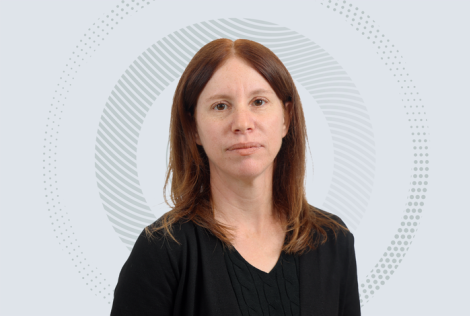
Dr. Zalckvar Einat
972-3-7384013
Last Updated Date : 08/03/2026