


Life Sciences - Ecology Track (.M.Sc)

What will you study, and why should you study at Bar-Ilan?
Ecosystems arise from continuous interactions among living organisms, between organisms and their environments, and between biological processes and dynamic, changing systems. A deep understanding of ecology underpins the study of environmental, agricultural, and health-related processes, including soil system functioning, organismal adaptation to environmental conditions, and the influence of environmental factors on biological systems. Understanding these interactions is not merely theoretical; it is essential for advanced scientific research on the functioning of both natural and managed ecosystems.
The Ecology track within the research-based Master’s degree in Life Sciences focuses on interactions among organisms and between organisms and their environments, across a wide range of ecosystems and habitats. The program offers in-depth training in areas such as terrestrial ecosystem ecology, the biology and ecology of soil-dwelling organisms in agricultural systems, marine ecology, mechanisms of microbial adaptation to environmental conditions, and soil health as a biological indicator.
The track is distinguished by its strong research orientation. Studies are structured around a supervised research project, enabling students to develop expertise in a defined research area, work closely with leading researchers, and gain exposure to advanced methodologies and current scientific questions. The program is designed for students seeking rigorous training in ecological research, the development of research independence, and integration into the scientific research community.
Career Opportunities
Research training in ecology track within the Master’s degree program in Life Sciences equips graduates with advanced research skills, the ability to analyze complex biological systems, and a deep understanding of interactions between organisms and their environments. These competencies are relevant to a wide range of professional fields in both the public and private sectors.
Graduates of the program may pursue careers, among others, in:
Research institutes and academic institutions – basic and applied research in ecology, environmental biology, and life sciences
Environmental organizations and regulatory bodies, including the Ministry of Environmental Protection – research, scientific consulting, and support for decision-making processes
Agriculture and environment-based industries – development, analysis, and management of agricultural systems grounded in ecological knowledge
Biotechnology, pharmaceutical, and cosmetics companies – research, development, and biological data analysis roles
Food companies and industrial sectors – environmental quality, biological processes, and quality control
Medical laboratories and clinical trial units – research and scientific support roles
Public sector and governmental institutes – applied research, environmental policy, and knowledge-infrastructure development
Medical and laboratory equipment development – as part of research and development teams
Doctoral studies – continuation to a PhD and integration into an academic research track
Program Structure
The duration of the thesis-track Master’s degree in Life Sciences is two years, during which students complete their research project and write their thesis (excluding any prerequisite completion year, if required). Studies begin in Semester A, and the research phase officially starts on October 1 each year.
The total program requirement is 40 credit points, comprising 24 course credits and 16 credits for the research project (thesis).
The final grade is determined in accordance with university regulations and is based on a weighted average of the research project grade (75%) and course grades (25%).
Program Courses
The course requirements include:
22 credits in Life Sciences courses
2 credits in two Master’s seminars
Students may take up to 4 credits of research-relevant courses in other departments, subject to approval.
The research proposal is submitted at the end of the first year and constitutes a key stage in shaping the thesis project. Changes in the research topic or supervisor may require additional courses, in accordance with faculty requirements.
Activities and Practical Experience
From the very beginning of the thesis-track Master’s degree in Ecology, students engage in active research, working directly with faculty members and gaining exposure to complex research questions and current studies in ecology and environmental biology.
The hands-on experience includes the use of advanced technologies and innovative research methods, alongside in-depth theoretical work. Throughout the program, students acquire essential research skills, including experimental design, data collection and analysis, working with complex biological systems, and presenting findings in departmental seminars.
Admission Requirements
A minimum average of 80 in a relevant Bachelor’s degree is required.
Applicants with an average below 85 will be required to attend an interview with the admissions committee.
At the time of application, students must identify a supervisor from among the faculty researchers.
Admission to the program is contingent on official approval from the supervisor, confirming their willingness to supervise the candidate.
It is recommended to contact potential supervisors before applying, review the faculty’s research areas, and follow announcements regarding supervisors seeking Master’s students.
Contact Information
Want to learn more about the M.Sc. in Life Sciences - Ecology Track?
- Associate Dean for Graduate Studies: Prof. Galit Shochat-Ofir
- Academic Advisor for Graduate Studies: Dr. Hila Alipantz
- Graduate Student Coordinator: Ms. Shani Hazan – Ls.Graduates@biu.ac.il
- Scholarships Officer: Ortal Zah
-

Prof. Emeritus Cohen Yigal
972-3-5318251 -
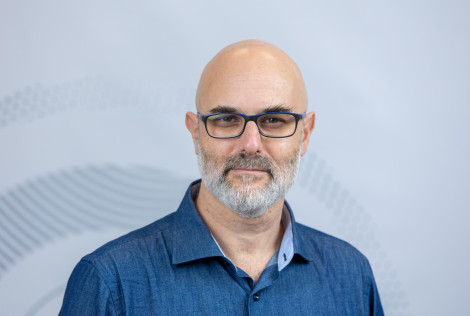
Prof. Miller Gad
972-3-7384553 (office); 972-3-7384311 (lab) -
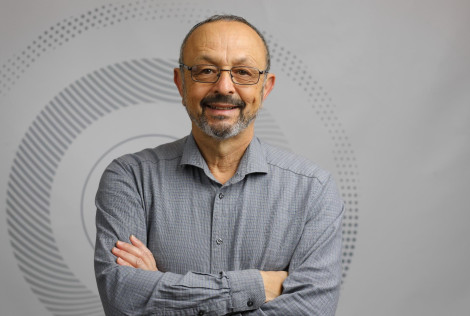
Prof. Perl-Treves Rafael
972-3-5318096 -
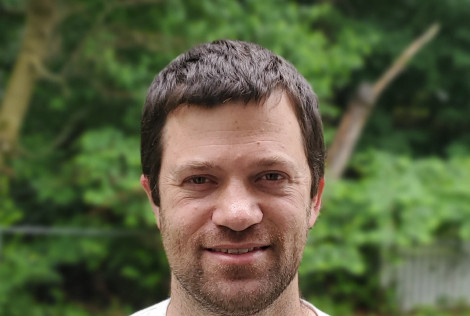
Dr. Roichman Asael
972-3-7384295 -
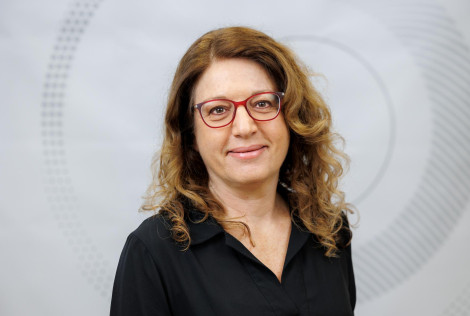
Prof. Schwarz Rakefet
972-3-5317648 (office); 972-3-5317790 (lab) -

Dr. Shaul Orit
972-3-5317704
Last Updated Date : 08/03/2026