


Optometry and Vision Sciences
Visual Neuroscience and Bio-Engineering
Cortical Mapping • Bio-Interface Engineering • Oculomotor Biomarkers • Neuroplasticity
At Bar-Ilan University’s Faculty of Life Sciences, we connect molecules to human perception, using advanced neuroimaging and bioengineering to explore how the brain constructs sight from a chaotic universe, and how the brain adapts when that sight fades.
Visual Perception: Decoding the Brain’s Living Canvas
How do we turn a frantic rush of photons into the instant recognition of a loved one's face?
Our research tackles this question by investigating how the human brain organizes its neural circuitry to support high-level vision. We track the dynamic processes that allow us to interpret and remember a complex visual world, taking our work from controlled labs into the chaos of natural vision to capture the brain processing reality in real time. We study the mind's ability to decode shapes, objects, and scenes across the shifting boundaries of the visual field.
A key part of our work focuses on cortical breakdowns—analyzing how specific neurological disruptions trigger conditions like ‘face blindness’ and visual agnosia, establishing crucial baselines against which we map the rules of typical human sight.
Our innovative approaches map these mental landscapes by pairing high-resolution neuroimaging (fMRI/MRI) with eye tracking and computational models to decipher the hidden language of visual memory.
Eye Engineering: Harnessing the Dawn of Bionic Sight
Can technology help restore vision lost to disease or injury?
Beneath the conscious experience of sight, a complex biological network drives the visual engine. Our research centers on neurobiology and eye engineering, focusing on how cellular networks interact with synthetic solutions designed for clinical translation. We investigate the microscale electrical signatures of the eye, asking when and how we can intercept neural activity to feed it into miniature, implantable devices that push the boundaries of ophthalmology.
A key area of inquiry is bionic vision, where we develop the "artificial retina" and Brain-Machine interfaces to act as tiny digital bridges bypassing damaged pathways.
In parallel, our teams study tissue engineering, gene therapy, and stem cells—acting as biological architects to regenerate the eye’s natural structures and safeguard human sight against degenerative decay.
Oculomotor Behavior: What the Eyes Reveal
What can tiny eye movements tell us about how the brain thinks and feels?
Even when people cannot speak, the eyes continue to send silent messages. Our research asks why the eyes move as they do, and what those movements cost or gain the brain, through the lens of involuntary behavior. High-throughput data processing paired with eye-movement tracking quantifies microscopic adjustments, revealing the cognitive load and sensory trade-offs behind survival, communication, and navigation across natural and human-altered environments.
A vital research avenue for our teams examines microsaccades (tiny, involuntary eye movements) and eye-blink patterns, treating these tiny, autonomous twitches as non-invasive biomarkers that expose how the brain perceives and predicts its environment.
We apply these insights to better understand neurological conditions like amblyopia (lazy eye), stroke-related neglect, and autism. By measuring eye movements without requiring active responses, we can uncover hidden cognitive abilities in individuals who have limited communication.
Researchers
-
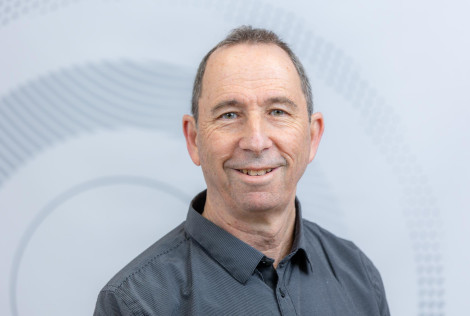
Prof. Bonneh Yoram
054-4995277 -
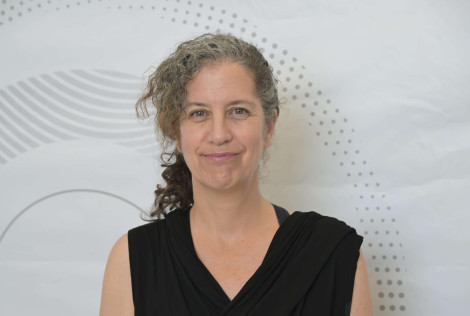
Prof. Gilaie-Dotan Sharon
054-4736181 -
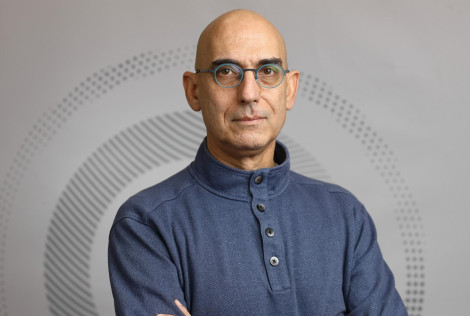
Prof. Mandel Yossi
972-3-7384234 -
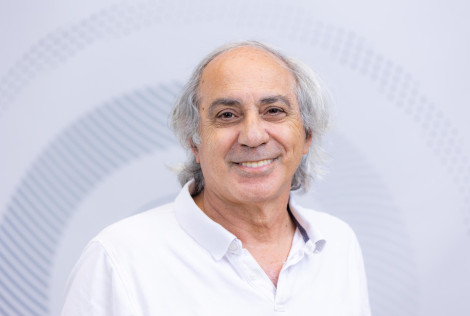
Prof. Emeritus Polat Uri
054-4286980